
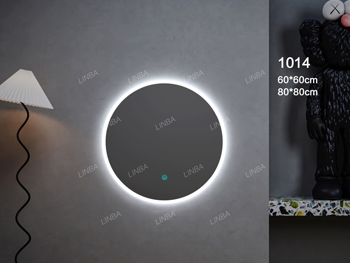
Choosing Multifunctional Smart Mirrors for Smart Homes
Introduction
The concept of a smart home has evolved significantly over the past decade, integrating advanced technologies to enhance convenience, security, and efficiency. Among the latest innovations in this space is the multifunctional smart mirror, a device that combines traditional mirror functionality with digital interactivity. These mirrors serve as a central hub for home automation, entertainment, health monitoring, and more.
When selecting a smart mirror for a smart home, several factors must be considered, including display technology, connectivity, voice and gesture control, health and fitness tracking, and aesthetic integration. This guide explores the key features to look for when choosing a multifunctional smart mirror and how it can enhance daily living.
---
1. Display Technology and Clarity
A smart mirror’s primary function is to reflect the user while also displaying digital information. Therefore, the display quality is crucial.
Types of Displays:
- LCD/LED Displays: Most common, offering bright and clear visuals. LED-backlit LCDs provide better contrast and energy efficiency.
- OLED Displays: Superior contrast and deeper blacks, but more expensive.
- E-Ink Displays: Energy-efficient and readable in direct sunlight, but limited to monochrome and slower refresh rates.
Key Considerations:
- Transparency: A two-way mirror effect ensures the display is visible only when active.
- Resolution: Full HD (1080p) or 4K for crisp visuals.
- Brightness & Anti-Glare: Adjustable brightness and anti-glare coatings improve visibility in different lighting conditions.
---
2. Smart Home Integration and Connectivity
A smart mirror should seamlessly integrate with existing smart home ecosystems.
Connectivity Options:
- Wi-Fi & Bluetooth: Enables communication with other smart devices (lights, thermostats, security cameras).
- Zigbee/Z-Wave: For low-power, mesh-network connectivity with IoT devices.
- Voice Assistant Compatibility: Support for Google Assistant, Amazon Alexa, or Apple Siri allows hands-free control.
Smart Home Functions:
- Home Automation Hub: Control lighting, temperature, and security systems.
- Notifications & Alerts: Display calendar events, weather updates, and security alerts.
- Multi-Device Synchronization: Sync with smartphones, tablets, and wearables.
---
3. Interactive Features: Touch, Voice, and Gesture Control
User interaction is a defining feature of smart mirrors.
Control Methods:
- Touchscreen: Capacitive touch allows intuitive navigation.
- Voice Control: Built-in microphones enable voice commands.
- Gesture Recognition: Infrared sensors detect hand movements for touchless operation.
Applications:
- Virtual Try-On (AR): For fashion and makeup applications.
- Interactive Tutorials: Fitness guides, cooking recipes, or DIY home improvement tips.
- Customizable Widgets: Users can arrange apps and widgets based on preference.
---
4. Health and Fitness Tracking
Many smart mirrors now incorporate wellness features, making them valuable for health-conscious users.
Health Monitoring Capabilities:
- Built-in Cameras & Sensors: Measure heart rate, skin health, and body composition.
- AI-Powered Analysis: Detects changes in skin conditions, weight, or posture.
- Fitness Integration: Syncs with wearables to display workout stats in real-time.
Wellness Applications:
- Guided Workouts: Displays exercise routines with real-time feedback.
- Meditation & Breathing Exercises: Provides guided relaxation sessions.
- Sleep Tracking: Analyzes sleep patterns via connected devices.
---
5. Entertainment and Multimedia Features
Smart mirrors can serve as an entertainment hub in bathrooms or bedrooms.
Entertainment Options:
- Streaming Services: Access YouTube, Netflix, or Spotify.
- News & Social Media: Display live news feeds or social updates.
- Ambient Mode: Acts as a digital photo frame or art display when not in use.
Audio Integration:
- Built-in Speakers: High-quality audio for music and calls.
- Bluetooth Audio: Connect wireless headphones or external speakers.
---
6. Design and Customization
A smart mirror should blend seamlessly into home decor.
Aesthetic Considerations:
- Frame Options: Wood, metal, or frameless designs to match interior styles.
- Customizable UI: Themes, colors, and widget arrangements.
- Size & Shape: Available in various dimensions (round, rectangular, or custom shapes).
Installation Flexibility:
- Wall-Mounted vs. Freestanding: Depending on space and preference.
- Battery vs. Wired: Some models offer battery-powered portability.
---
7. Privacy and Security
Since smart mirrors may have cameras and microphones, security is paramount.
Security Features:
- Data Encryption: Protects personal information.
- Physical Privacy Shutters: Covers the camera when not in use.
- User Authentication: Facial recognition or PIN-based access.
Privacy Best Practices:
- Disable Unnecessary Sensors: Turn off microphones when not in use.
- Regular Firmware Updates: Ensures security patches are applied.
---
8. Energy Efficiency and Sustainability
Smart mirrors should be energy-conscious to align with eco-friendly smart homes.
Power-Saving Features:
- Auto-Dimming: Adjusts brightness based on ambient light.
- Motion Activation: Turns on only when someone is nearby.
- Low-Power Standby Mode: Reduces energy consumption when idle.
Eco-Friendly Materials:
- Recyclable Components: Minimizes environmental impact.
- Energy Star Certification: Ensures compliance with efficiency standards.
---
9. Budget and Value Considerations
Smart mirrors vary in price based on features and build quality.
Price Ranges:
- Basic Models ($200-$500): Simple displays with limited smart features.
- Mid-Range ($500-$1,500): Better displays, touch controls, and smart home integration.
- Premium ($1,500+): Advanced health tracking, high-end materials, and AI capabilities.
Cost vs. Functionality:
- Assess which features are essential (e.g., fitness tracking vs. home automation).
- Consider long-term benefits (energy savings, convenience).
---
10. Future-Proofing and Upgradability
Technology evolves rapidly, so a smart mirror should support future updates.
Upgrade Considerations:
- Modular Design: Allows hardware upgrades (e.g., adding new sensors).
- Software Updates: Regular OS improvements and new app integrations.
- Expandable Storage: For additional apps and data.
---
Conclusion
Multifunctional smart mirrors are transforming modern homes by merging utility with cutting-edge technology. When choosing one, prioritize display quality, smart home compatibility, interactive controls, health features, and security. The right smart mirror should enhance daily routines while seamlessly integrating into the home environment.
By carefully evaluating these factors, homeowners can select a smart mirror that not only meets their current needs but also adapts to future advancements in smart home technology. Whether for convenience, wellness, or entertainment, a well-chosen smart mirror can be a valuable addition to any smart home.
この Web サイトでは、お客様に最高のエクスペリエンスを提供するために Cookie を使用しています。


 English
 Español
 Français
 العربية



 電話
電話
コメント
(0)