
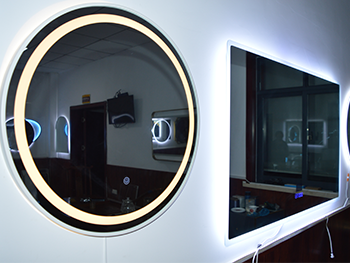
How to Select a Dimmable Smart Mirror for Your Bathroom Renovation
Industry Background and Market Demand
The bathroom renovation industry has seen a surge in demand for smart mirrors, particularly dimmable models, as consumers prioritize functionality, energy efficiency, and modern aesthetics. According to market research, the global smart mirror market is projected to grow at a CAGR of 8.5% from 2023 to 2030, driven by advancements in IoT integration and smart home adoption.
Dimmable smart mirrors cater to both residential and commercial applications, offering adjustable lighting for tasks like makeup application, shaving, or general grooming. Unlike traditional mirrors, these products incorporate LED lighting, touch controls, and sometimes embedded displays, making them a key component in contemporary bathroom design.
Core Concepts and Key Technologies
A dimmable smart mirror combines three primary technologies:
1. LED Lighting System – Energy-efficient LEDs with adjustable brightness (measured in lumens) and color temperature (typically 2700K–6500K).
2. Touch or Motion Sensors – Enables user interaction for dimming, on/off control, or additional smart features.
3. Power Supply and Control Circuitry – Ensures stable dimming performance, often using PWM (Pulse Width Modulation) or analog dimming.
Some advanced models integrate Bluetooth speakers, anti-fog heating, or voice assistants (e.g., Alexa, Google Assistant), but dimmability remains a fundamental requirement for most buyers.
Product Structure, Materials, and Manufacturing
1. Frame and Glass Construction
- Glass Type: Tempered glass (5–6mm thickness) with a silver or aluminum backing for durability.
- Frame Materials: Aluminum, stainless steel, or moisture-resistant ABS plastic for longevity in humid environments.
- Edge Sealing: Silicone or rubber gaskets prevent moisture ingress, a common failure point.
2. Lighting and Electronics
- LED Strips: High-CRI (≥90) LEDs ensure accurate color rendering.
- Driver Quality: A constant-current LED driver prevents flickering and ensures smooth dimming.
- IP Rating: IP44 or higher is recommended for bathroom use to resist water splashes.
3. Manufacturing Considerations
- Precision Cutting: Laser-cut glass minimizes edge defects.
- Assembly Standards: Automated soldering and waterproofing processes improve reliability.
Key Factors Affecting Quality and Performance
1. Dimming Range and Smoothness – A high-quality dimmer should offer 10–100% brightness adjustment without flickering.
2. Color Consistency – Poor LED binning can cause uneven lighting; look for manufacturers with strict quality controls.
3. Heat Dissipation – Overheating reduces LED lifespan; aluminum heat sinks or passive cooling designs are preferable.
4. Compatibility with Smart Home Systems – Check for Zigbee, Z-Wave, or Wi-Fi support if integration is needed.
Supplier Selection Criteria
When sourcing dimmable smart mirrors, consider:
- Certifications: UL, CE, or RoHS compliance ensures safety and environmental standards.
- Customization Options: OEM/ODM suppliers should offer flexibility in size, shape, and features.
- Lead Times and MOQs: Verify production capacity to avoid delays in large-scale projects.
- Warranty and Support: A 2–5 year warranty indicates confidence in product durability.
Common Challenges and Industry Pain Points
1. Moisture Damage – Poor sealing leads to electrical failures.
2. Flickering Issues – Caused by incompatible drivers or low-quality PWM circuits.
3. Installation Complexity – Hardwired models may require professional electricians.
4. High Return Rates – Often due to mismatched customer expectations regarding dimming performance.
Application Scenarios and Case Studies
- Luxury Hotels: Dimmable smart mirrors enhance guest experience with customizable lighting.
- Medical Facilities: Anti-fog models are used in sterile environments where clarity is critical.
- Residential Use: Homeowners prefer models with memory settings for personalized brightness levels.
Current Trends and Future Developments
1. AI-Powered Lighting Adjustment – Sensors that auto-adjust brightness based on ambient light.
2. Sustainable Materials – Recycled aluminum and low-energy LED designs.
3. Modular Smart Mirrors – Interchangeable components for easy upgrades.
FAQ
Q: Can a dimmable smart mirror work with existing bathroom lighting?
A: Yes, but hardwired models may require a separate circuit. Plug-in versions offer easier retrofitting.
Q: How do I maintain a smart mirror in a high-humidity bathroom?
A: Ensure proper sealing and occasional cleaning with a non-abrasive, ammonia-free solution.
Q: What’s the typical lifespan of the LEDs?
A: High-quality LEDs last 50,000+ hours; driver failure is more common than LED burnout.
Conclusion
Selecting a dimmable smart mirror requires evaluating lighting performance, build quality, and supplier reliability. As the market evolves, integration with smart home ecosystems and sustainability will drive future innovations. For B2B buyers, partnering with certified manufacturers ensures long-term product viability and customer satisfaction.
この Web サイトでは、お客様に最高のエクスペリエンスを提供するために Cookie を使用しています。


 English
 Español
 Français
 العربية



 電話
電話
コメント
(0)