
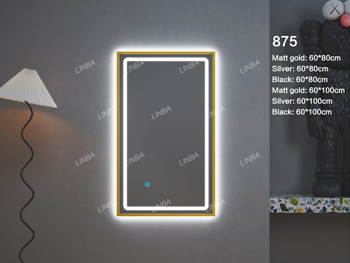
Smart Mirrors with Remote Control Functionality: A Comprehensive Guide
Introduction
Smart mirrors have emerged as a revolutionary addition to modern homes, combining traditional reflective surfaces with advanced digital technology. Among the most sought-after features in smart mirrors is remote control functionality, which enhances convenience, accessibility, and customization. This guide explores the technology behind smart mirrors with remote control capabilities, their benefits, applications, and considerations for potential buyers.
What Are Smart Mirrors?
Smart mirrors are interactive displays embedded with technology that transforms them into more than just reflective surfaces. They integrate features such as touchscreens, voice assistants, internet connectivity, and app integration. Remote control functionality allows users to operate these mirrors from a distance using smartphones, tablets, or dedicated remote devices.
How Remote Control Works in Smart Mirrors
Remote control in smart mirrors is typically enabled through wireless communication technologies such as:
1. Bluetooth – Allows short-range connectivity for adjusting settings like brightness, lighting modes, or display content.
2. Wi-Fi – Enables internet-based control via mobile apps, allowing users to manage the mirror from anywhere within the network.
3. Infrared (IR) Remote – Some smart mirrors come with traditional IR remotes for basic functions like turning the display on/off or adjusting lighting.
4. Voice Control Integration – Many smart mirrors support voice assistants like Alexa or Google Assistant, enabling hands-free operation.
Key Features of Smart Mirrors with Remote Control
1. Adjustable Lighting
Smart mirrors often include LED lighting with customizable color temperatures (warm, cool, daylight) and brightness levels. Remote control allows users to fine-tune lighting without touching the mirror.
2. Display Customization
Users can remotely switch between different display modes, such as:
- Weather updates
- Calendar and reminders
- News headlines
- Fitness tracking (via integrated health apps)
3. Entertainment and Connectivity
Some smart mirrors support streaming services, social media, or video calls, all controllable via a remote device.
4. Smart Home Integration
When connected to a smart home ecosystem, users can control the mirror alongside other devices (e.g., adjusting smart lights or thermostats).
5. Privacy and Security
Remote control allows users to disable cameras or microphones when not in use, ensuring privacy.
Benefits of Remote-Controlled Smart Mirrors
1. Convenience
Adjusting settings without physical interaction is ideal for users applying makeup, shaving, or performing other grooming tasks.
2. Accessibility
Individuals with mobility challenges can operate the mirror effortlessly via voice commands or a smartphone.
3. Energy Efficiency
Remote control helps conserve power by allowing users to turn off the display or lighting when not needed.
4. Personalization
Users can save preferred settings (e.g., lighting presets) and recall them remotely.
5. Enhanced User Experience
Interactive features like weather updates or fitness tracking make daily routines more efficient.
Applications of Smart Mirrors with Remote Control
1. Home Use
- Bathroom: Adjust lighting for grooming, check the weather, or play music.
- Bedroom: Use as a smart display for alarms, news, or fitness tracking.
- Dressing Room: Customize lighting to match different outfits.
2. Retail and Fashion
Stores use smart mirrors for virtual try-ons, allowing customers to see how clothes or makeup look without physical application.
3. Healthcare and Wellness
- Fitness Tracking: Monitor workout progress via integrated health apps.
- Telemedicine: Some smart mirrors support video consultations with healthcare providers.
4. Hospitality Industry
Hotels and spas use smart mirrors to enhance guest experiences with personalized lighting, entertainment, and concierge services.
Considerations When Choosing a Smart Mirror with Remote Control
1. Compatibility
Ensure the mirror works with your preferred smart home ecosystem (e.g., Google Home, Apple HomeKit).
2. Connectivity Options
Check whether the mirror supports Wi-Fi, Bluetooth, or IR remote control based on your needs.
3. Display Quality
Look for high-resolution displays with anti-glare properties for better visibility.
4. Privacy Features
If the mirror has a camera or microphone, verify that it includes security measures like manual shut-off options.
5. Power Source
Some mirrors require hardwiring, while others operate via standard electrical outlets.
6. Budget
Prices vary based on features—determine which functionalities are essential before purchasing.
Future Trends in Smart Mirror Technology
1. AI-Powered Personalization – Advanced AI could analyze user habits and automatically adjust settings.
2. Augmented Reality (AR) Enhancements – More realistic virtual try-ons for makeup, hairstyles, and accessories.
3. Gesture Control – Future smart mirrors may allow navigation via hand gestures instead of touch or voice.
4. Sustainability Features – Energy-efficient designs with solar charging capabilities.
Conclusion
Smart mirrors with remote control functionality represent a significant leap in home automation and personal convenience. By integrating adjustable lighting, interactive displays, and smart home compatibility, these devices offer a seamless and futuristic user experience. Whether for personal grooming, fitness tracking, or retail applications, remote-controlled smart mirrors are poised to become a staple in modern living.
When selecting a smart mirror, consider factors like connectivity, privacy, and display quality to ensure it meets your needs. As technology advances, we can expect even more innovative features that will further enhance the utility and appeal of smart mirrors.
Would you like additional details on specific models or installation tips? Let me know how I can assist further!
この Web サイトでは、お客様に最高のエクスペリエンスを提供するために Cookie を使用しています。


 English
 Español
 Français
 العربية



 電話
電話
コメント
(0)